
AI Product Photography: What Brands Can Create Without a Traditional Photoshoot

Traditional product photography isn't disappearing. But it is no longer the only way to create polished, campaign-ready brand imagery.
AI-powered production is opening up a different kind of creative process, one where a product can move from a minimal studio setup to a sun-drenched poolside scene, a surreal beauty world or an editorial campaign without rebuilding the production around it each time.
For brands, the opportunity isn't simply to make content faster. It's to create more ambitious visual worlds with fewer production constraints.

One Product, Multiple Worlds
A traditional shoot requires every environment to exist somewhere. Locations need to be found. Sets need to be built. Props need to be sourced. Lighting needs to change. Talent needs to be booked.
With AI-assisted production, the same product can live across dramatically different creative directions while remaining part of one cohesive campaign.
A skincare product might move from a clean studio still life to a botanical environment, then into a model-led beauty image. A beverage can shift between polished product photography, lifestyle imagery and a surreal splash composition.
The creative concept becomes the starting point rather than the production limitation.


Beyond the Standard Product Shot
AI product photography becomes especially interesting when brands stop using it to simply imitate a traditional studio shoot.
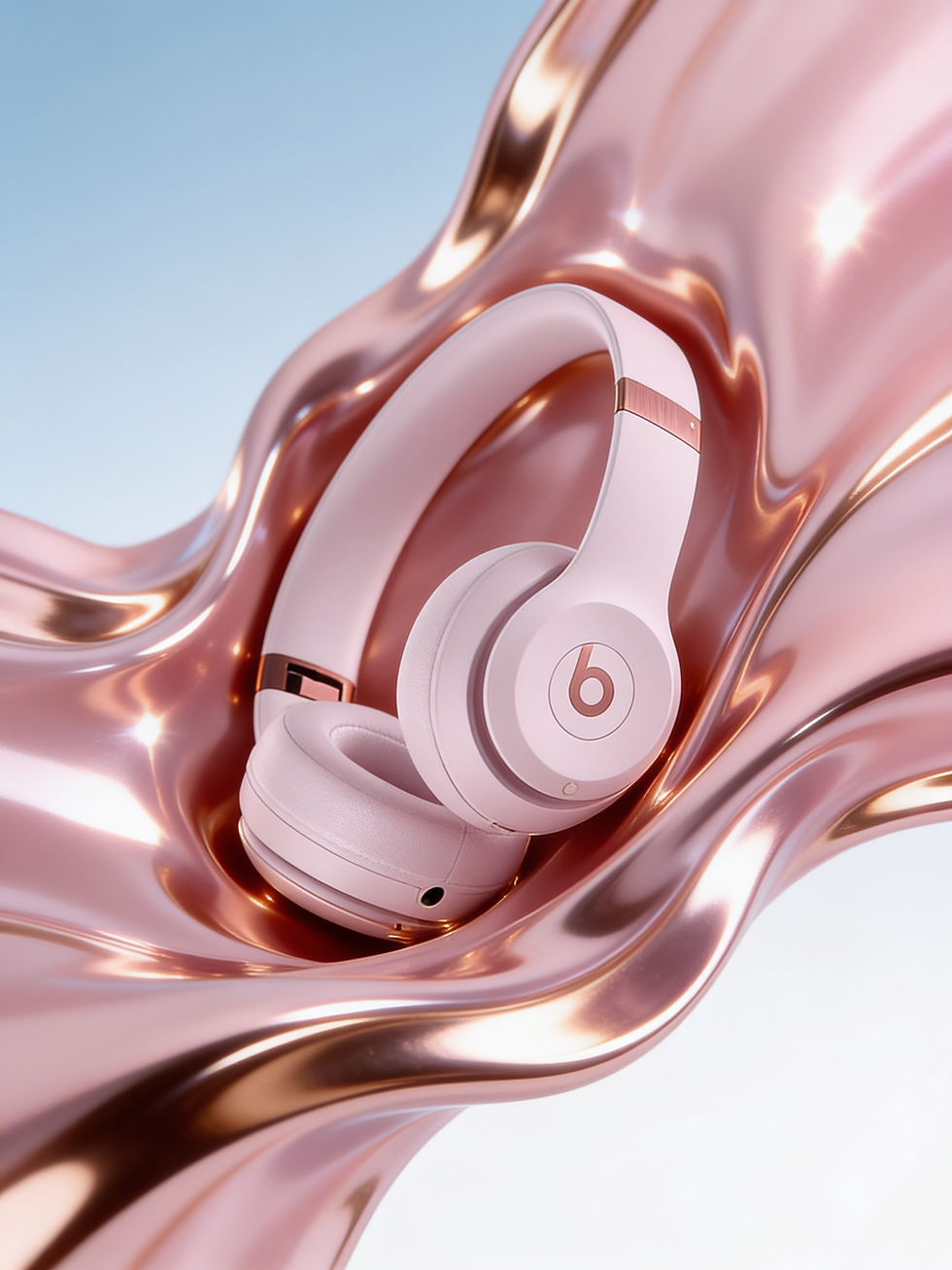
It can create imagery that would otherwise require specialized sets, difficult locations, elaborate prop styling or extensive post-production. Think suspended products, liquid simulations, oversized textures, impossible environments, cinematic lighting or compositions designed specifically around a campaign's visual identity.
The result can sit somewhere between product photography, art direction and digital world-building.
Product Accuracy Still Matters
Creative freedom doesn't mean the product itself can become approximate.
Packaging proportions, typography, logos, materials, colors and small design details are part of a brand's identity. If those elements drift, even a visually impressive image can become unusable.
That makes product fidelity one of the most important parts of an AI-assisted workflow.
The strongest results combine imaginative environments with a product that still feels recognizable, believable and consistent from image to image.
Where AI Fits Into a Real Content Strategy
The most useful way to think about AI production isn't as a universal replacement for traditional photography.
It's another production method.
A brand may still need traditional photography for certain launches, talent partnerships, events or highly specific product requirements. AI becomes especially valuable when the goal is to expand a campaign, test new creative directions, create seasonal variations or produce a larger volume of elevated assets without mounting another full production.
The question becomes less “Can AI replace a photoshoot?”
and more:
“Which parts of this campaign actually need one?”
More Creative Freedom. Less Production.
For emerging and established brands alike, that shift creates room to experiment.
A single product can become the foundation for an entire visual world rather than a handful of variations captured on one set.
And when the technology is paired with strong art direction, the value isn't that the imagery was made with AI.
It's that the imagery was worth making in the first place.
Have a product or campaign in mind?
Build a visual world around your brand with AI-powered product imagery, campaign creative and video.
Comments